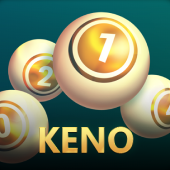
Keno Number Guide – Draws & Play on Scatter Link
Keno is the classic pick-your-numbers game: choose up to ten spots on an 80-number grid, balls are drawn automatically, and every hit climbs the payout ladder. The direct answer for newcomers — rehearse a few rounds in the Keno Demo, then bring flat stakes and a fixed pick count to live draws on scatter link.
Card Aisle Neighbours of Keno

The Keno Board: Calm Numbers, Steady Rhythm
Keno trades drama for clarity. The board is a clean 80-cell grid, your picks glow as you tap them, and drawn balls mark themselves one by one — no reel chaos, no bonus screens, just a counting exercise you can follow from across the room. That calm is exactly why the cards aisle regulars keep a Keno round between louder sessions on scatter link.
The session rhythm runs in short cycles: a betting window, a draw that takes seconds, and a settlement screen that shows exactly which spots hit. Because each round is independent, Keno suits fragmented time — a draw on a commute, a draw on a break — and the Keno Demo carries the identical grid, draw speed and hit ladder as the live board on scatter link Keno tables.
How to Play Keno in Four Moves
Register, choose picks, place the stake, watch the draw. The full flow below works the same in demo and live rounds, and nothing happens mid-draw that needs your input.
- Register through the verified entry on this page and verify once, so later withdrawals clear without friction on your first cash-out.
- Open Keno and tap between one and ten numbers on the grid. More picks raise hit chances but stretch the payout ladder thinner — the table shows both sides before you confirm.
- Set a flat stake per draw and start the round. Balls appear automatically; matching spots mark themselves instantly.
- Read the result honestly: hits above the break-even line of your pick count are wins, everything else is the cost of the draw. Log it and move on.
Prefer your numbers with a wheel instead of a grid? The spin-based cousin Ultimate Roulette covers live wheel pacing, while reel players who want one-symbol focus can read the Wild Ace guide — both sit in the same lobby as Keno.
The Mechanics Behind Every Keno Draw
Two systems decide everything: the certified random draw and the hit ladder. Twenty numbers are drawn from eighty each round by a certified generator, and the ladder prices each possible hit count for your chosen pick total. Neither system remembers the previous round.
The practical consequences are specific. First, no number is "hot" or "due" — the grid has no memory, in the Keno Demo or on live boards. Second, the ladder is where the house edge lives: it is weighted so that mid-range hit counts return less than intuition expects, while rare full hits pay steeply. Third, pick count changes the shape of variance, not the fairness of the draw — four picks hit more often for small returns, ten picks hit rarely with occasional spikes.
Understanding that structure is the whole skill surface of the game on scatter link, and it is also what keeps expectations honest: the draw is fair, the ladder is fixed, and the only moving part a player controls is exposure.
Keno Strategy That Respects the Odds
Flat stakes, a fixed pick count and a draw cap beat every number-picking superstition. The habits below translate the mechanics above into a session plan you can actually repeat on scatter link Keno tables.
- Fix the pick count first. Choose one configuration — four or six picks are the common middle ground — and keep it for the whole session so results stay comparable.
- Warm up in the Keno Demo. Ten free draws show your pick count's real hit frequency; that number, not a feeling, should set the stake.
- Cap the session in draws. Twenty draws is a sensible sample; a clock is a worse brake because draws are fast on mobile.
- Keep entertainment money separate. The platform's scatter link responsible gaming tools — deposit limits, session reminders, self-exclusion — work alongside your own cap, and the scatter link vip program rewards steady play rather than stake spikes, so let tiers come from volume you already planned.
Before your first funded draw, run through the platform's FAQ page — it answers the account, payment and verification questions that most often interrupt a first session.
Keno Fact Recap Before You Play
Six facts compress this entire page, and each one traces back to a section above rather than marketing copy.
- Format: cards-category number draw; pick spots, watch the draw, get paid by the hit ladder.
- Round length: seconds from stake to settlement, with no mid-round decisions.
- Practice path: the Keno Demo shares the grid, draw speed and ladder of live play, so habits transfer one to one.
- Edge location: entirely inside the ladder weighting — the draw itself is certified random.
- Player levers: pick count, flat stake and draw cap; nothing else moves the outcome.